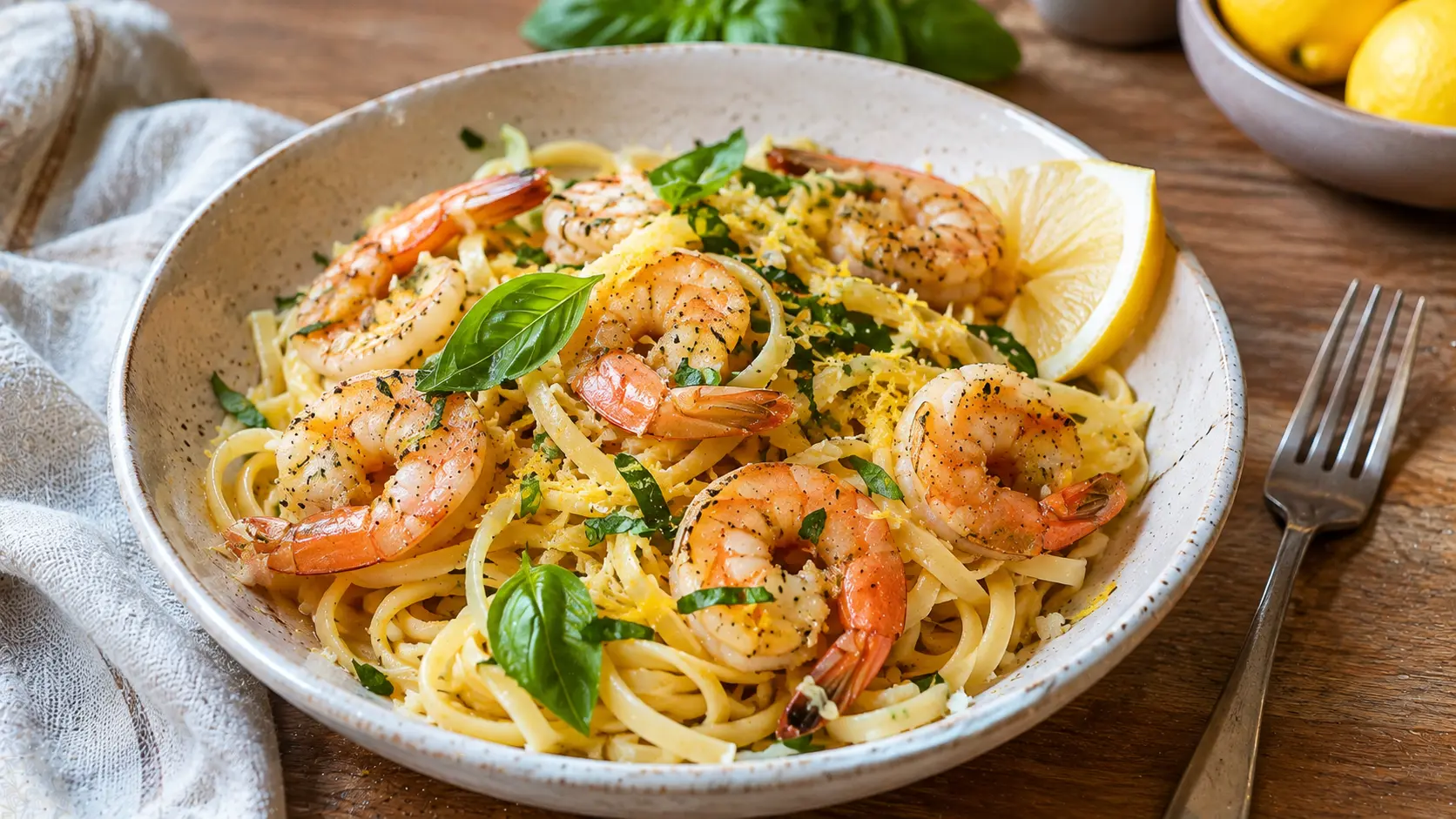
Lemon Shrimp Pasta with Basil (Fresh, Garlicky & Ready in 30 Minutes!)
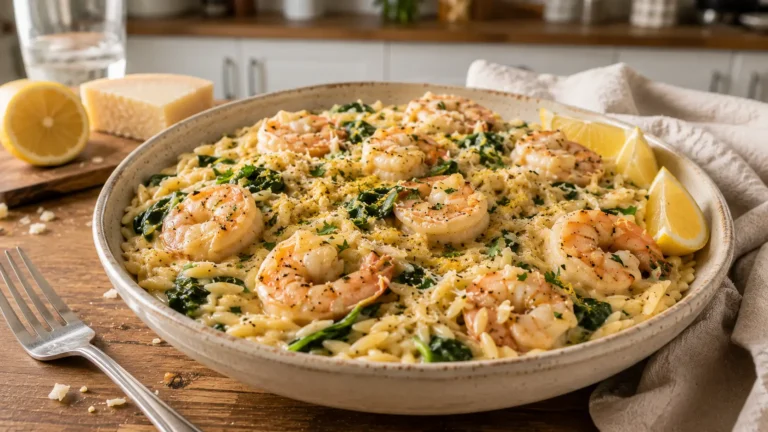
Imagine twirling a forkful of silky pasta coated in a light, buttery lemon-garlic sauce, topped with juicy, perfectly cooked shrimp and fragrant ribbons of fresh basil. Every bite is bright, savory, and irresistibly fresh. This Lemon Shrimp Pasta with Basil brings together tender shrimp, zesty lemon, aromatic garlic, and delicate pasta for a restaurant-quality dinner you can make in your own kitchen in just 30 minutes.
Unlike heavy cream-based pasta dishes, this lemon shrimp pasta gets its beautiful silky texture from a simple combination of olive oil, butter, fresh lemon juice, and starchy pasta water. The sauce gently coats every strand of pasta without overwhelming the natural sweetness of the shrimp. Fresh basil adds a wonderful herbal aroma, while lemon zest gives the dish an extra burst of citrus flavor.
Whether you’re looking for a quick weeknight dinner, a refreshing summer pasta recipe, or something elegant enough for a special occasion, this easy lemon shrimp pasta is a delicious choice. It’s simple enough for busy evenings yet impressive enough to serve to guests, especially with a little freshly grated Parmesan and extra basil scattered over the top.

Easy Lemon Shrimp Pasta with Fresh Basil
Lemon shrimp pasta is a light, flavorful seafood pasta made with shrimp, garlic, lemon, olive oil, butter, and fresh herbs.
The key to this recipe is creating a silky sauce that clings to the pasta rather than collecting at the bottom of the bowl.
To achieve that texture, we reserve some of the starchy pasta cooking water and gradually add it to the lemon-butter mixture while tossing the pasta.
The starch helps the fat and liquid combine into a light sauce.
Fresh basil is added at the very end to preserve its bright flavor and vibrant green color.
The shrimp are cooked separately, then returned to the skillet just before serving. This helps prevent them from becoming tough or rubbery.
The result is a beautifully balanced pasta with tender shrimp, fragrant garlic, bright lemon, and a delicate buttery finish.
If you love garlic-forward seafood dinners, our Red Lobster Shrimp Scampi with Garlic Wine Butter Sauce is another delicious recipe to try.
⭐ Why You’ll Love This Lemon Shrimp Pasta
- Ready in 30 minutes: Perfect for busy weeknights.
- Fresh lemon flavor: Lemon juice and zest add brightness without making the dish heavy.
- Juicy garlic shrimp: Tender shrimp provide plenty of protein and flavor.
- Fragrant fresh basil: Adds a wonderful herbal finish.
- Light, silky sauce: No heavy cream required.
- Simple ingredients: Made with everyday pantry staples and fresh ingredients.
- Restaurant-quality results: Elegant enough for special occasions.
- Easy to customize: Add vegetables, adjust the spice, or change the pasta shape.
🛒 Ingredients for Lemon Shrimp Pasta with Basil
This recipe makes approximately 4 servings.
For the pasta
12 ounces (340 g) linguine or spaghetti
Linguine works especially well because its long, flat strands hold the lemon-garlic sauce beautifully.
Spaghetti, fettuccine, or angel hair pasta can also be used.
1 tablespoon salt for the pasta water
Salting the cooking water seasons the pasta from the inside.
Adjust the amount depending on how much water you’re using.
¾ cup (180 ml) reserved pasta cooking water
The starchy water helps create a silky sauce.
You may not need all of it.
For the shrimp
1 pound (450 g) large raw shrimp, peeled and deveined
Choose large shrimp, approximately 21–25 per pound.
Fresh or properly thawed frozen shrimp work well.
Remove the tails for easier eating, or leave them on for presentation.
1 tablespoon olive oil
Used to cook the shrimp.
1 tablespoon unsalted butter
Adds richness and helps the shrimp develop flavor.
½ teaspoon kosher salt
Season the shrimp lightly.
¼ teaspoon freshly ground black pepper
Adds gentle warmth.
¼ teaspoon crushed red pepper flakes (optional)
Provides a subtle hint of heat.
For the lemon basil sauce
3 tablespoons extra-virgin olive oil
Creates the base of the sauce and adds a smooth, fruity flavor.
3 tablespoons unsalted butter
Butter adds richness and helps balance the acidity of the lemon.
5 garlic cloves, finely minced
Fresh garlic gives the pasta its delicious savory aroma.
1 large lemon, zest and juice
You’ll need approximately 2 tablespoons fresh lemon juice and 1 tablespoon finely grated lemon zest.
Use fresh lemon rather than bottled juice for the best flavor.
½ cup loosely packed fresh basil leaves, thinly sliced
Fresh basil adds a sweet, aromatic herbal flavor.
Slice the basil just before adding it to the pasta.
¼ cup (25 g) freshly grated Parmesan cheese (optional)
Parmesan adds a savory finish.
You can omit it for a more traditional seafood-forward flavor.
¼ teaspoon kosher salt, or to taste
Adjust after combining the pasta and sauce.
For serving
- Extra fresh basil leaves
- Lemon wedges
- Additional Parmesan cheese, optional
- Freshly ground black pepper

👩🍳 How to Make Lemon Shrimp Pasta with Basil
Step 1: Prepare the shrimp
If using frozen shrimp, thaw them completely in the refrigerator.
Peel and devein the shrimp if necessary.
Pat dry thoroughly with paper towels.
Removing excess moisture helps the shrimp sear rather than steam.
Step 2: Season the shrimp
Place the shrimp in a bowl.
Add ½ teaspoon kosher salt, black pepper, and optional crushed red pepper flakes.
Toss gently until evenly coated.
Step 3: Bring the pasta water to a boil
Fill a large pot with water.
Bring to a rolling boil and season with salt.
Step 4: Cook the pasta
Add the linguine or spaghetti.
Cook according to the package instructions until just al dente.
The pasta should still have a slight bite because it will finish cooking briefly in the sauce.
Step 5: Reserve pasta water
Before draining, carefully scoop out approximately ¾ cup of starchy pasta water.
Set it aside.
Drain the pasta without rinsing.
Step 6: Heat the skillet
Place a large skillet over medium-high heat.
Add 1 tablespoon olive oil and 1 tablespoon butter.
Allow the butter to melt.
Step 7: Cook the shrimp
Arrange the shrimp in a single layer.
Cook for approximately 1½–2 minutes per side, depending on size.
The shrimp should become opaque and reach 145°F (63°C).
Step 8: Remove the shrimp
Transfer the cooked shrimp to a clean plate.
Set aside while preparing the sauce.
Avoid leaving the shrimp in the hot skillet, as they can continue cooking.
Step 9: Reduce the heat
Lower the skillet heat to medium-low.
Allow the pan to cool slightly before adding the garlic.
Step 10: Add olive oil and butter
Add 3 tablespoons extra-virgin olive oil and 3 tablespoons unsalted butter.
Allow the butter to melt gently.
Step 11: Sauté the garlic
Add the minced garlic.
Cook for approximately 30–45 seconds, stirring frequently, until fragrant.
Do not allow the garlic to brown deeply.
Step 12: Add the lemon zest
Stir in the freshly grated lemon zest.
Cook for approximately 15 seconds to release its aromatic oils.
Step 13: Add the lemon juice
Pour in approximately 2 tablespoons fresh lemon juice.
Stir gently.
Step 14: Add the pasta water
Pour in ¼ cup of reserved pasta cooking water.
Stir or swirl the skillet until the butter, olive oil, lemon, and water begin to form a light sauce.
Step 15: Add the pasta
Transfer the drained pasta to the skillet.
Use tongs to toss the pasta gently through the sauce.
Step 16: Create a silky sauce
Continue tossing over low heat for approximately 1–2 minutes.
Add additional pasta water, a tablespoon or two at a time, until the sauce lightly coats the pasta.
The sauce should look silky rather than oily or watery.
Step 17: Return the shrimp
Add the cooked shrimp and any accumulated juices back to the skillet.
Toss gently to distribute them throughout the pasta.
Step 18: Add fresh basil
Turn off the heat.
Add the thinly sliced fresh basil.
Toss gently so the basil wilts slightly from the residual heat without becoming dark or overcooked.

Step 19: Finish with Parmesan
If using, sprinkle freshly grated Parmesan over the pasta.
Toss lightly.
Taste and adjust salt, black pepper, and lemon juice as needed.
Step 20: Serve immediately
Divide the pasta among four warm bowls.
Arrange the shrimp evenly.
Garnish with extra fresh basil, lemon wedges, and optional Parmesan.
Serve immediately while the sauce is silky and the shrimp are tender.
💡 Expert Tips for Perfect Lemon Shrimp Pasta
Use fresh lemon juice and zest
Fresh lemon provides a brighter, more aromatic flavor than bottled juice.
Don’t overcook the pasta
Cook until just al dente because the pasta finishes briefly in the skillet.
Save the pasta water
Starchy pasta water is essential for creating a smooth sauce without cream.
Pat the shrimp dry
Dry shrimp sear more effectively and develop better flavor.
Avoid overcooking the shrimp
Shrimp cook quickly and become rubbery when left over high heat for too long.
Cook garlic gently
Burnt garlic can make the entire sauce taste bitter.
Add lemon gradually
Start with the recommended amount and adjust to taste.
Different lemons vary in acidity.
Use fresh basil
Fresh basil gives the dish its distinctive aroma.
Dried basil won’t provide the same fresh flavor.
Add basil at the end
High heat can darken basil and weaken its fresh flavor.
Serve immediately
Lemon butter pasta is best enjoyed freshly cooked, when the sauce is smooth and glossy.
🔄 Variations and Substitutions
Creamy lemon shrimp pasta
Add ¼ cup heavy cream to the sauce before tossing with the pasta.
This creates a richer, creamier variation.
Lemon shrimp pasta with spinach
Add 2 cups fresh baby spinach to the skillet just before adding the pasta.
Cook until lightly wilted.
Lemon shrimp pasta with cherry tomatoes
Add 1 cup halved cherry tomatoes after cooking the garlic.
Cook briefly until softened.
Spicy lemon shrimp pasta
Increase the crushed red pepper flakes to ½ teaspoon.
Lemon shrimp pasta with asparagus
Add 1 cup chopped asparagus to the pasta water during the final 2–3 minutes of cooking.
Lemon shrimp pasta with zucchini
Sauté thinly sliced zucchini in the skillet before preparing the sauce.
Gluten-free lemon shrimp pasta
Use your favorite gluten-free pasta.
Reserve some cooking water as usual, but adjust the amount because starch levels vary.
Dairy-free lemon shrimp pasta
Replace the butter with additional olive oil and omit the Parmesan.
Lemon shrimp pasta with chicken
Replace the shrimp with cooked chicken pieces, ensuring they are safely cooked before adding them to the pasta.
🧊 Storage, Freezing, and Reheating
Refrigerating leftovers
Allow the pasta to cool slightly.
Transfer to an airtight container and refrigerate within 2 hours of cooking.
Store for up to 3–4 days.
For the best shrimp texture, enjoy within 1–2 days.
Reheating on the stovetop
Place the pasta in a skillet over low heat.
Add a splash of water or broth and a small amount of olive oil.
Toss gently until thoroughly heated to 165°F (74°C).
Avoid prolonged cooking, which can make the shrimp tough.
Reheating in the microwave
Transfer a portion to a microwave-safe bowl.
Add a splash of water.
Cover loosely and heat in short intervals, stirring gently.
Freezing
Freezing is not recommended for the best quality.
The pasta may become soft, and the lemon butter sauce can lose its silky texture.
Making ahead
You can peel and devein the shrimp one day ahead.
Store covered in the refrigerator.
Wash and dry the basil, mince the garlic, and zest the lemon in advance.
For the best results, cook the pasta and shrimp just before serving.
❓ Frequently Asked Questions
What pasta is best for lemon shrimp pasta?
Linguine and spaghetti are excellent choices because they hold the light lemon-garlic sauce well.
Can I use frozen shrimp?
Yes. Thaw completely and pat dry before cooking.
Can I make lemon shrimp pasta without butter?
Yes. Replace the butter with additional olive oil.
Why is my lemon shrimp pasta dry?
The pasta may have absorbed too much sauce.
Add a splash of reserved pasta water and toss gently.
Why is my shrimp rubbery?
Shrimp become rubbery when overcooked.
Cook them just until opaque and safely cooked through.
Can I add Parmesan to shrimp pasta?
Yes. Parmesan is optional but adds a savory finish.
Can I use dried basil?
Fresh basil is strongly recommended for this recipe because its aromatic flavor is central to the dish.
Can I make this recipe spicy?
Absolutely. Increase the crushed red pepper flakes or add a pinch of cayenne.
Is lemon shrimp pasta served hot or cold?
This recipe is designed to be served hot, immediately after cooking.
Can I make lemon shrimp pasta ahead of time?
You can prepare the ingredients ahead, but the finished dish tastes best when cooked fresh.
🥗 What to Serve with Lemon Shrimp Pasta
Lemon shrimp pasta is delicious on its own, but a few simple sides can make it a complete dinner.
A crisp green salad with a light vinaigrette balances the buttery lemon sauce.
Garlic bread or crusty sourdough is perfect for soaking up any sauce left in the bowl.
Roasted asparagus, steamed broccoli, or sautéed green beans also pair beautifully with the shrimp and fresh basil.
For another seafood dinner, try our Garlic Dijon Shrimp and Salmon Foil Packs, which offer a delicious combination of seafood and bold garlic flavor.
If you’re planning several easy dinners for the week, our Chicken with Buttered Noodles is another comforting meal to keep in your rotation.
For more information about preparing and storing seafood safely, consult the FDA seafood safety guide.
❤️ Final Thoughts
This Lemon Shrimp Pasta with Basil is proof that a simple combination of fresh ingredients can create a truly delicious dinner.
Juicy shrimp, fragrant garlic, bright lemon, fresh basil, and silky pasta come together in a light butter and olive oil sauce that’s satisfying without feeling heavy.
Whether you’re preparing a quick weeknight meal or cooking for someone special, this easy shrimp pasta is a recipe you’ll want to make again and again.
Save it for the next time you’re craving a fresh, flavorful seafood pasta dinner!
Lemon Shrimp Pasta with Basil
Ingredients
Method
- Prepare the ingredients. Peel and devein the shrimp if necessary. Mince the garlic, zest and juice the lemon, and slice the basil. Measure the remaining ingredients.
- Boil the water. Bring approximately 4 quarts of water to a rolling boil in a large pot. Salt the water to taste.
- Cook the pasta. Add the linguine and cook approximately 1 minute less than the package’s recommended al dente time, stirring occasionally.
- Reserve pasta water. Scoop out at least 1 cup of starchy pasta water, then drain the pasta without rinsing.
- Season the shrimp. Pat the shrimp dry with paper towels. Toss with ½ teaspoon kosher salt, black pepper, and optional red pepper flakes.
- Heat the oil. Place a large skillet over medium-high heat and add 1 tablespoon olive oil.
- Sear the shrimp. Arrange the shrimp in a single layer. Cook for approximately 1½–2 minutes on the first side, then flip.
- Finish the shrimp. Cook for another 1–2 minutes, until opaque and cooked to 145°F (63°C). Transfer to a clean plate.
- Melt the butter. Reduce the skillet heat to medium-low. Add 3 tablespoons butter and 1 tablespoon olive oil.
- Cook the garlic. Stir in the minced garlic and cook for 30–60 seconds, until fragrant but not browned.
- Add lemon zest. Stir in the lemon zest and cook gently for 15–20 seconds.
- Build the sauce. Add ½ cup reserved pasta water and stir. Warm for approximately 30 seconds, reduce the heat to low, and stir in 3 tablespoons lemon juice.
- Add the pasta. Transfer the drained pasta into the skillet. Toss over low heat for 1–2 minutes until coated.
- Adjust the consistency. Add the remaining reserved pasta water, 1–2 tablespoons at a time as needed, tossing until the sauce lightly coats the noodles.
- Return the shrimp. Add the cooked shrimp and any accumulated juices. Toss gently over low heat for approximately 30 seconds to warm through.
- Add the herbs. Turn off the heat. Fold in the fresh basil and optional parsley.
- Season to taste. Add up to ¼ teaspoon additional kosher salt if needed. Adjust the lemon juice or butter to balance the flavors.
- Serve. Divide among four bowls and garnish with additional basil, lemon wedges, optional olive oil, and Parmesan if desired. Serve immediately.
Notes
-
Shrimp size: Large shrimp, approximately 21–25 per pound, are ideal for this recipe.
-
Frozen shrimp: Thaw completely in the refrigerator or in cold water before cooking. Pat thoroughly dry.
-
Pasta choice: Linguine and spaghetti work best, but fettuccine or gluten-free pasta can be substituted.
-
Avoid overcooking: Remove the shrimp promptly once cooked to 145°F (63°C).
-
Fresh lemon: Freshly squeezed juice and grated zest deliver the best citrus flavor.
-
Pasta water: Reserve at least 1 cup before draining. Use only as much as needed to create a silky sauce.
-
Fresh basil: Add basil off the heat to preserve its fragrance and color.
-
Spice level: Omit the red pepper flakes for a mild dish or increase slightly for extra heat.
-
Dairy-free option: Replace the butter with an equal amount of additional olive oil.
-
Storage: Refrigerate leftovers promptly in an airtight container for up to 3–4 days. Reheat thoroughly to 165°F (74°C).
-
Serving: This dish is best enjoyed immediately after cooking.
-
Parmesan: Optional; omit it for a lighter, more citrus-forward seafood flavor.